
Your new audiovisual system has been installed. The displays are mounted, microphones are connected, and control systems are in place. Everything looks ready to go. But is the system truly ready for everyday use? AV installation is only one part of a successful audiovisual integration project. Before a system is fully handed over, it needs to be tested, configured, documented, … Read More
How Crestron Integration Can Benefit Your Organization
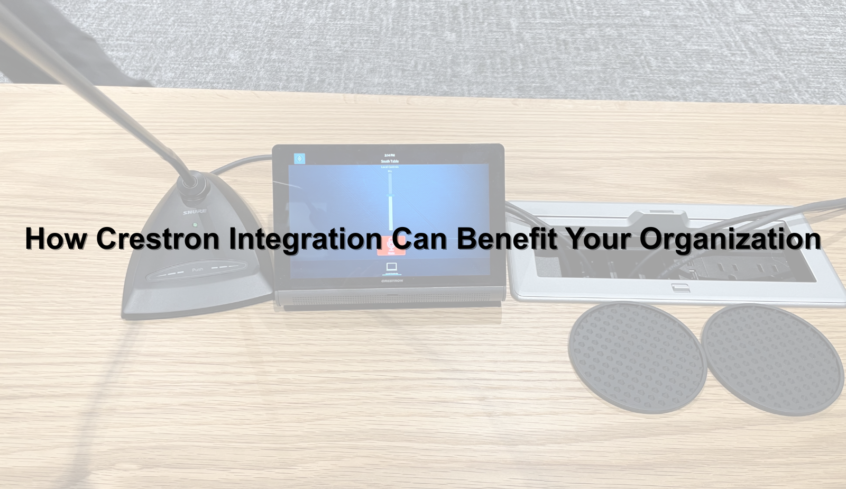
When organizations invest in audiovisual technology, the focus often starts with displays, microphones, cameras, and speakers. But there’s another important part of the equation: how all those systems work together. That’s where Crestron integration comes in. Crestron is a widely used technology platform for controlling and automating audiovisual systems and other connected technologies. Rather than managing multiple devices independently, Crestron … Read More
When Is It Time to Upgrade Your Classroom AV System? 5 Signs to Look For
Classroom technology has changed significantly over the past several years. What once worked well for a traditional lecture may no longer support the way students and educators present, collaborate, connect remotely, and share content today. But that doesn’t necessarily mean every piece of equipment needs to be replaced. For schools and universities, knowing when to upgrade an AV system—and what … Read More
Recording, Streaming, Presenting: Why Government Meeting Spaces Need to Do It All
A city council meeting might begin with a presentation, move into public comment, include discussion among council members, display documents or maps, connect a remote participant, and ultimately need to be recorded or streamed for people watching elsewhere. That’s a lot for one room—and one audiovisual system—to handle. Government meeting spaces such as council chambers, courtrooms, public hearing rooms, and … Read More
Why Does My Conference Room Audio Sound Bad? 7 Common Causes

You’re in the middle of a meeting when someone on the other end says it: “Can you hear me?” Someone moves closer to the microphone. Another person turns up the volume. The remote participant still hears an echo, and the person sitting at the far end of the table sounds like they’re across the building. Poor conference room audio can … Read More
5 AV Decisions That Are Much Harder to Fix After Construction

When planning a new building or renovating an existing space, audiovisual technology can sometimes feel like something that can be addressed later. Choose the displays. Add some speakers. Install the microphones. Connect everything once construction is nearly complete. In reality, some of the most important AV decisions need to happen long before equipment ever arrives on-site. The physical environment has … Read More
What Is Audio DSP and Why Does Every Professional AV System Need One?

When you walk into a conference room, classroom, courtroom, or event space, you probably notice the displays, microphones, cameras, and speakers first. What you probably don’t notice is one of the most important pieces of technology working behind the scenes: the DSP. Short for Digital Signal Processor, an audio DSP takes the various audio signals within an AV system and … Read More
One Space, Many Uses: Designing AV for Multipurpose Event Spaces

A multipurpose space might host an executive presentation in the morning, employee training in the afternoon, and a company-wide event that evening. The next day, that same room could be used for a panel discussion, hybrid meeting, awards ceremony, or community gathering. The room can change in a matter of minutes. The technology supporting it needs to be just as … Read More
Projector vs. Flat Panel — Which Display Is Right for Your Meeting Room?
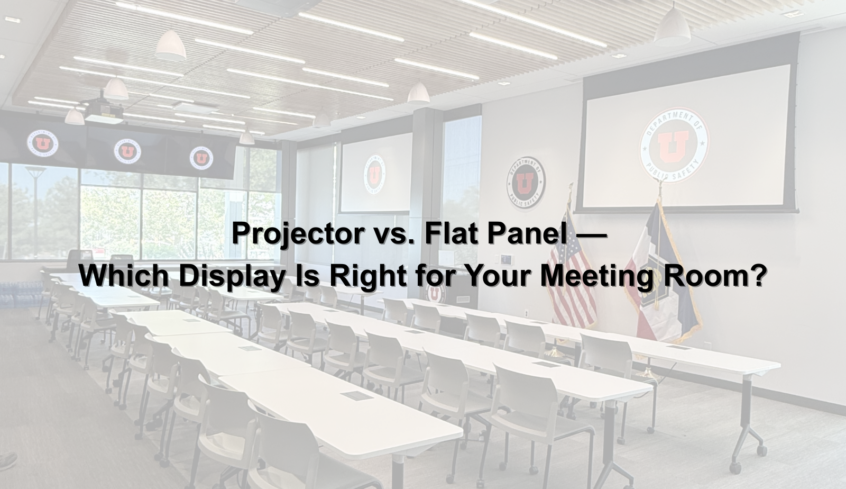
When designing or upgrading a meeting room, the display is often one of the first things people think about. But choosing between a projector and a flat panel isn’t simply a matter of preference. Room size, viewing distance, lighting, content, budget, and how the space will actually be used can all influence which display technology makes the most sense. Both … Read More
Why Athletic Facilities Are One of the Most Overlooked AV Opportunities on Campus
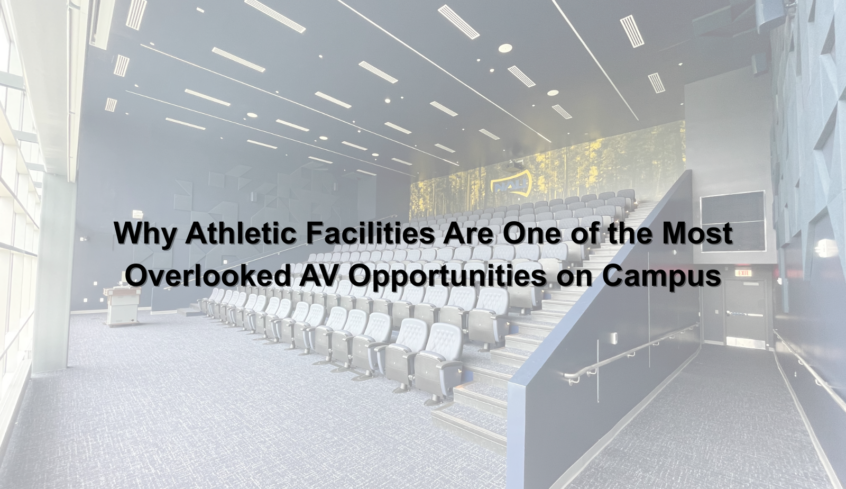
Walk into almost any university and you will find the same pattern. The lecture halls have been upgraded. The library has collaborative AV spaces. The administration building has a polished boardroom with a touch panel control system and seamless video conferencing. Someone made sure those spaces got the investment they needed. Then you walk into the athletic facility. The scoreboard … Read More